
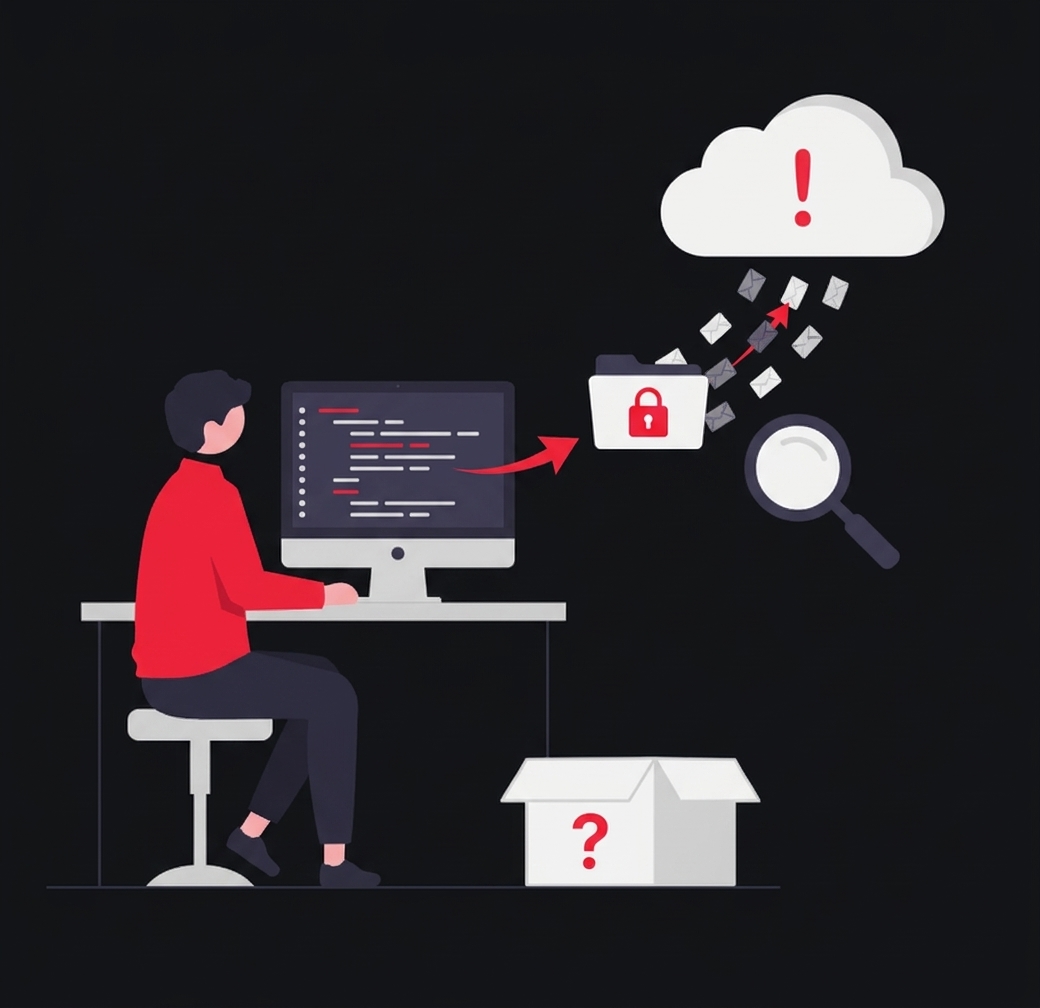
The recently introduced Grok Build CLI tool, designed to assist with coding using an advanced language model, quickly became the subject of intense discussions within the technology community. Several developers uncovered alarming behavior: without explicit consent or notification, all local files from working directories were being uploaded to remote servers. This revelation, documented by independent AI security researchers, highlighted fundamental shortcomings in the approach to data protection.
Specifically, it was discovered that Grok CLI transferred the contents of entire repositories, including Git history and even .env files containing sensitive data such as database keys or API tokens. This information was sent to Google Cloud Storage. The seriousness of the situation is underscored by the fact that the uploading occurred even when the agent was explicitly forbidden from reading any files, and it remained active even after deactivating the "Improve model" option. In comparison, common practice for similar tools involves either transferring only the limited context the agent works with, or locally indexing code and sending only abstract embeddings, not the entire source code.
The transfer of unencrypted .env files, which often contain critical project secrets, poses a huge security risk. Any misuse of this data could have catastrophic consequences for the integrity and security of developer projects. Furthermore, the fact that developers were neither informed nor asked for consent regarding this behavior is in direct contradiction with the principles of transparency and trust that should form the basis of interaction between users and software tools.

Planning a new website or app?
Tell me what you have in mind — I will take a look and advise on the best way forward.
The developer community's reaction was swift and significantly negative. SpaceX, under which xAI operates, initially attempted to address the situation by deactivating the data upload feature via a remote feature flag. Following criticism, including from OpenAI's CEO, Grok CLI was ultimately open-sourced. The company also announced that it had disabled default data retention for all Grok Build users and promised to delete previously stored coding data.
Despite the swift resolution of the incident, the impact on trust in Grok CLI and xAI is considerable. It became clear that internal processes evidently lacked necessary security audits and ethical considerations. Trust is built slowly and easily lost, and Grok CLI will need to put in significant effort, likely years without similar incidents, to regain it. This case serves as a stark reminder of why planning, transparency, and adherence to security standards are crucial for the success and trustworthiness of any software product, especially one that handles sensitive developer data.