
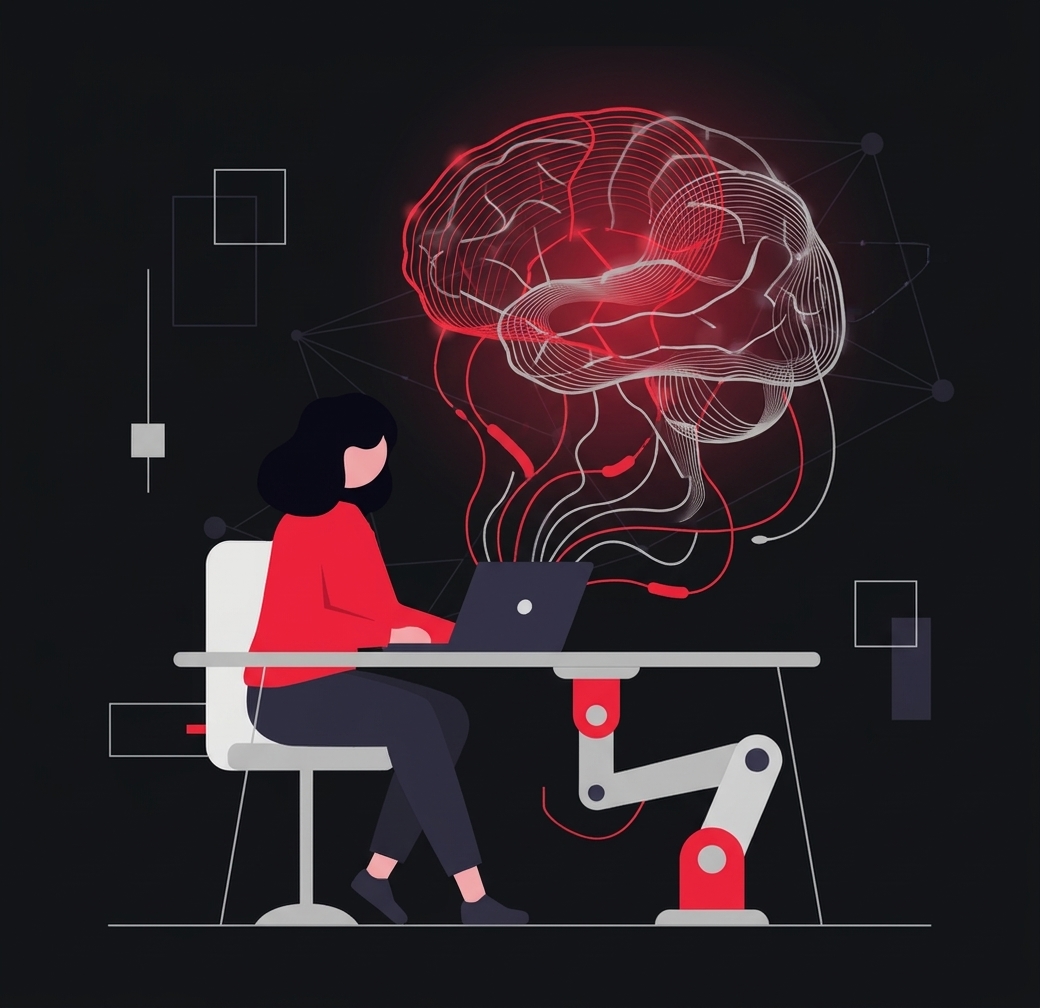
In a recent address at the Rails World conference, David Heinemeier Hansson, known as DHH and the creator of the Ruby on Rails framework, startled the audience with his announcement. He stated that at his company, 37signals, manual coding is essentially a thing of the past and has become more of an exceptional circumstance. The firm, renowned for its emphasis on code quality and long-term profitability, now views manual coding as a last resort when automated systems fail, similar to when an error appears in a monitoring tool.
DHH compared the current AI era in software development to the advent of the camera in painting – a moment that forever changed the field. He marked a specific date as the turning point when advanced AI technologies became accessible, allowing people to experience software creation in collaboration with a new form of intelligence for the first time. Since then, he believes everything has been changing.
At 37signals, new approaches are already being implemented. For example, they are transitioning to native mobile applications, which AI makes easier to realize even for smaller teams. They have also started moving backend services from Ruby to Rust, motivated by performance and AI's ability to generate high-quality Rust code. However, the Ruby on Rails framework remains in web applications, primarily due to its "convention over configuration" design, which is highly suitable for working with AI agents.
DHH himself went even further, stating that he no longer considers himself a professional programmer, but rather a "professional creator of things who directs intelligence." He believes that manual coding is no longer an economically productive activity for most programmers. He also questioned existing software architecture principles, particularly the role of abstractions, which become less relevant when the cost of repeating code approaches zero.
This view from DHH is not unique. Predictions have emerged before that with the advent of AI, the role of engineers would change. However, the current transition is described as chaotic. Reports from engineers at large tech companies suggest that excessive reliance on AI leads to an absence of genuine thinking, taking responsibility for AI-generated code, and an overall decline in quality. Recent application functionality issues, for example, indicate insufficient testing and control over AI-generated content.

Got an idea for a website or app?
Let's talk it through — non-binding, with no pressure, and a concrete next step.
Despite these challenges, software engineering is more important than ever. It requires a deeper understanding of how AI models work; while powerful, they are still unreliable and prone to hallucinations. Engineers are now responsible for designing and building new systems that validate and automate error detection in code generated by agents. The future also lies in using AI to produce deterministic code, such as generating linters instead of costly full pull request reviews. Companies are investing in innovation, and the demand for engineers who understand AI and can effectively utilize it is steeply rising, opening new opportunities for those who keep pace with technological development.