
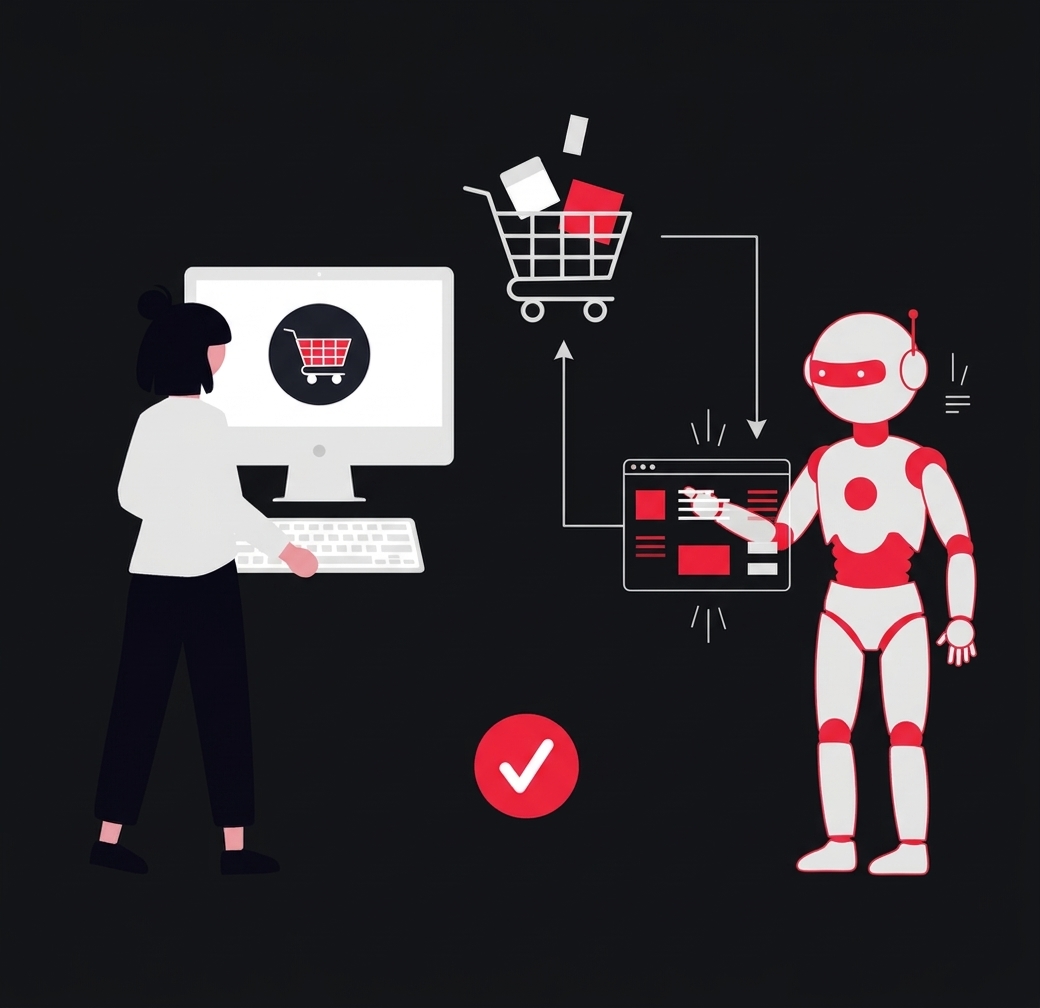
In the digital world, software agents commonly browse the web, but often have to rely on websites and tools originally created for humans and search engines. To ensure a truly advanced shopping experience for these agents, it's crucial to treat them as equal customers. This means providing them with product information in a directly readable format and developing tools specifically designed for their purchasing processes.
With the advent of modern e-commerce solutions, such as an open-source store-building template based on Next.js with Shopify integration, teams can focus on creating digital stores optimized for interaction with humans, search engines, and autonomous agents. These solutions leverage robust development kits that provide access to product catalogs, cart and order management, payment systems, and checkouts for building fully customized stores. Emphasis is placed on flexibility and broad compatibility across JavaScript frameworks, simplifying development for diverse teams.
Checkout processes represent one of the most complex parts of e-commerce software development. They require years of refinement and optimization to be reliable and user-friendly. Leading platforms, such as Shopify, have historically strived to maintain openness, allowing developers to remix and customize checkout components according to their specific needs. Essentially, this means developers can utilize all the infrastructure the platform has built and build anything they desire on top of it.
A key feature for agents is making product pages available as machine-readable content, including price, availability, and variants. The same URL can thus serve both for visual product presentation to humans and for providing structured information to agents who do not need to interpret the page's visual layout. This approach is further complemented by embedded structured data and sitemaps, which help search engines and answer systems effectively discover and understand products.
To standardize communication between agents and stores, the Universal Commerce Protocol (UCP) was developed. It provides agents with a unified way to browse a store's catalog, read product details, check availability, build carts, and obtain checkout links. Modern solutions make these capabilities available directly on the merchant's own domain, allowing agents to use UCP to find products and build carts without needing to navigate the entire website.

Planning a new website or app?
Tell me what you have in mind — I will take a look and advise on the best way forward.
Integrating the product catalog, cart, and checkout with a modern frontend framework allows for creating a comprehensive experience for all customers. This approach also includes special tools and information for agents, and often an integrated shopping assistant. Since the store's frontend and the assistant share the same codebase, teams can easily customize the store's design and how the assistant helps shoppers. The capabilities included in the template can, for example, guide coding agents through setup, customization, and updates. This enables creating an environment where customers can either browse product pages or ask the assistant to find products and add them to their cart. Both interaction methods share the same cart, so customers retain everything they've added when transitioning between different experiences.
By utilizing advanced tools, a highly customized, well-designed, and agent-ready e-commerce experience can be built, running on modern technologies and being exceptionally fast. These solutions are already in operation for many brands and demonstrate a real impact. For example, one company that rebuilt its e-commerce platform experienced a 22% increase in revenue and a 76% increase in conversions during key shopping periods, all without any downtime. This confirms that investing in modern, agent-friendly infrastructure pays off.