
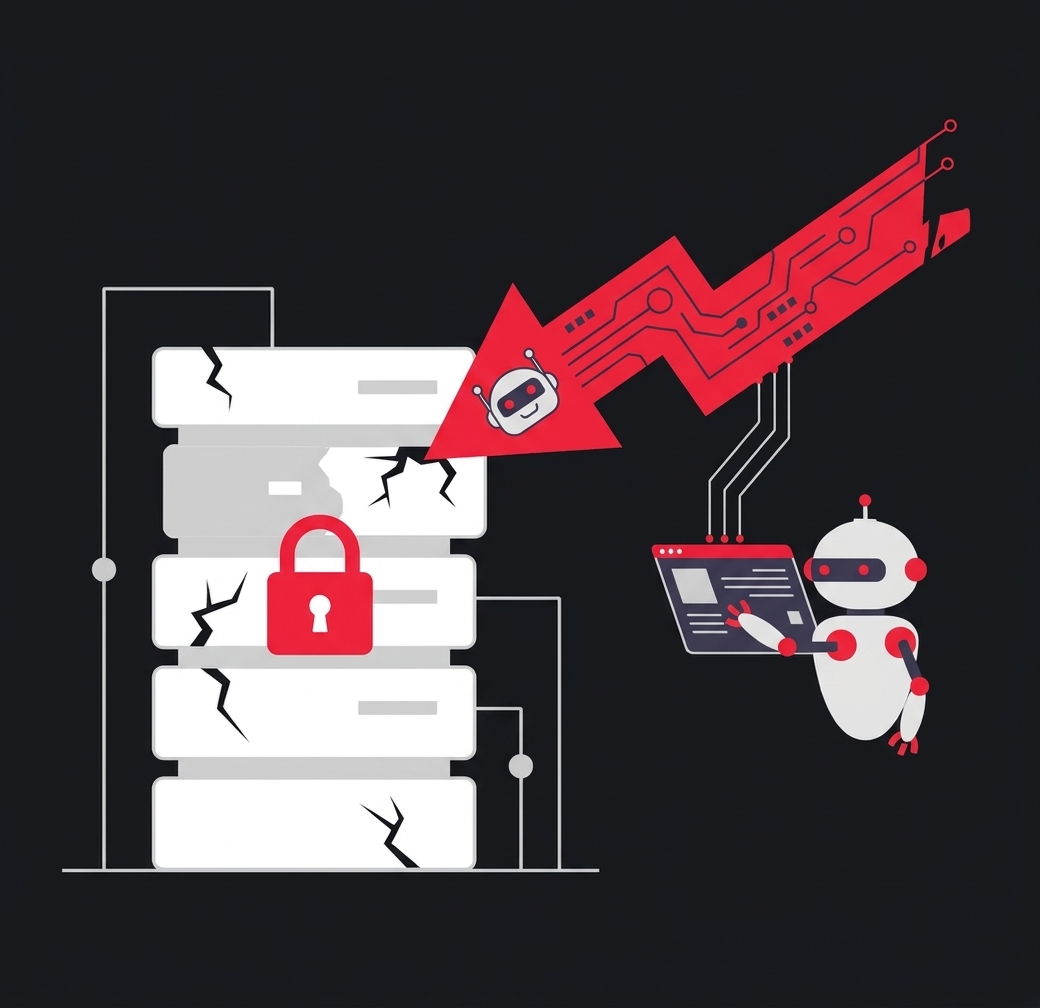
In recent months, we have witnessed an alarming trend in cybersecurity. The UK's National Cyber Security Centre (NCSC) reports a significant increase in attacks that leverage artificial intelligence to autonomously discover and exploit vulnerabilities in systems and networks. These incidents, including breaches of organizations and subsequent outages, point to a new era of threats where speed and automation play a key role.
Interestingly, the exploited vulnerabilities are not new in themselves. Rather, they are common weaknesses that have existed for a long time. What has changed is the speed at which these flaws are discovered and exploited. Autonomous AI-powered tools can rapidly perform penetration tests and identify weak spots, which previously required a significant amount of human effort and time.
This increase has also been fueled by the recent release of freely available open-source tools for autonomous penetration testing. The US Federal Bureau of Investigation (FBI) previously warned that these tools enable attackers to conduct cyberattacks with unprecedented speed, posing a significant challenge to traditional security strategies.

Brauchen Sie Hilfe mit Ihrer Website oder App?
Melden Sie sich, und ich antworte innerhalb von 24 Stunden mit einem Vorschlag für das weitere Vorgehen.
Despite the rising number of attacks, the NCSC emphasizes that many of these incidents are preventable. The problems currently being exploited often do not stem from complex vulnerabilities but rather from unmitigated weaknesses resulting from years of accumulated technical debt within organizations. These include fundamental configuration flaws, inadequate password management, or neglected key security procedures.
Autonomous hacking tools typically search for exposed systems accessible from the internet, then rapidly cycle through lists of weak or easily guessable passwords, or exploit API endpoints that developers frequently use to access data. These methods are not sophisticated, but thanks to AI's speed, they become extremely effective.
The NCSC concludes by stating that artificial intelligence does not render existing security controls obsolete. On the contrary, building strong cybersecurity foundations is now more important than ever. AI has simplified the discovery and accelerated the exploitation of vulnerabilities, meaning that weaknesses that remained unnoticed for years can now be found and leveraged within minutes. Organizations must therefore prioritize the thorough implementation of fundamental security measures.