
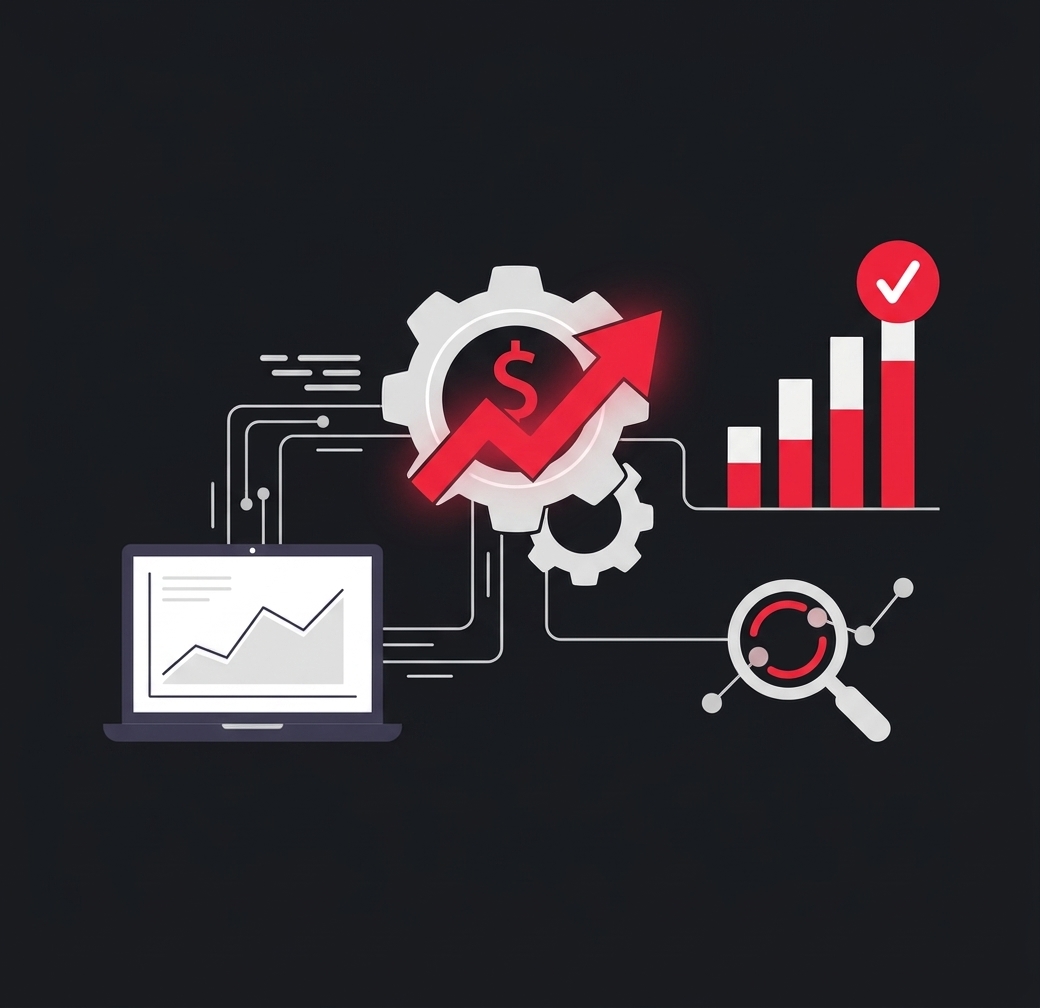
Artificial intelligence tools designed to support software development are experiencing significant expansion in the enterprise sector. Data indicates substantial financial success and rapid adoption, with some leading providers of these solutions reporting extreme growth, such as a ninefold increase in spending from existing customers within a year. This dynamic confirms a strong demand for automation and streamlining of development processes.
Despite the growth in spending on AI tools, many companies, especially large ones, have yet to see the expected significant benefits. Identifying the specific value and return on investment (ROI) in artificial intelligence is becoming a priority for businesses. It is no longer enough simply to spend resources; it is necessary to optimize them and ensure they genuinely deliver tangible results.
In response to this need, leading providers of AI tools are introducing new sets of reporting functionalities. These tools allow managers to gain a detailed overview of team work over a given period, including generated content, associated costs, and identification of areas where workflow issues occurred. Data is collected through internal analyses and employee surveys, and it is important to note that this data is not routinely used for training AI models.
In addition to detailed reports, recommendations are also available on how to improve achieved results. The goal is to demonstrate a concrete return on investment in AI tools and offer customers ways to further enhance it. Furthermore, some platforms are introducing shared team budgets, which facilitate more efficient management of AI token expenditures within the organization.
Independent analyses confirm the growing influence of AI coding assistants. For example, a recent study based on data from hundreds of thousands of developers showed that tools built on some leading AI models are responsible for nearly a third of all proposed code changes submitted for review. Even more significantly, spending on these tools has increased tenfold since the beginning of the year, and their costs now amount to approximately 2% of total engineering expenses. This tenfold growth in spending, which far exceeded initial plans, places AI utilization optimization at the top of CFOs' priorities.
Despite the dynamic market and continuous innovation, established AI tools maintain their position with enterprise customers. This is primarily due to the fact that once a company invests in such a tool and standardizes its workflows around it, the costs of switching to another solution become significant. Even if models may seem similar, subtle differences in implementation and integration create barriers to vendor change.
Larger AI labs therefore invest in teams of specialists who help customers with implementation and optimization, effectively becoming external consultants directly within customer organizations. New reporting tools can be seen as a streamlined version of this direct support, providing customers with the necessary tools for autonomous management and optimization of their AI investments.

Planen Sie eine neue Website oder App?
Schreiben Sie mir, was Sie vorhaben — ich schaue es mir gerne an und berate Sie zum besten Vorgehen.
In conclusion, while the market for AI tools in software development is rapidly maturing, the key to long-term success is not only their deployment but, more importantly, their effective management, ROI measurement, and continuous optimization of utilization in line with business objectives.