
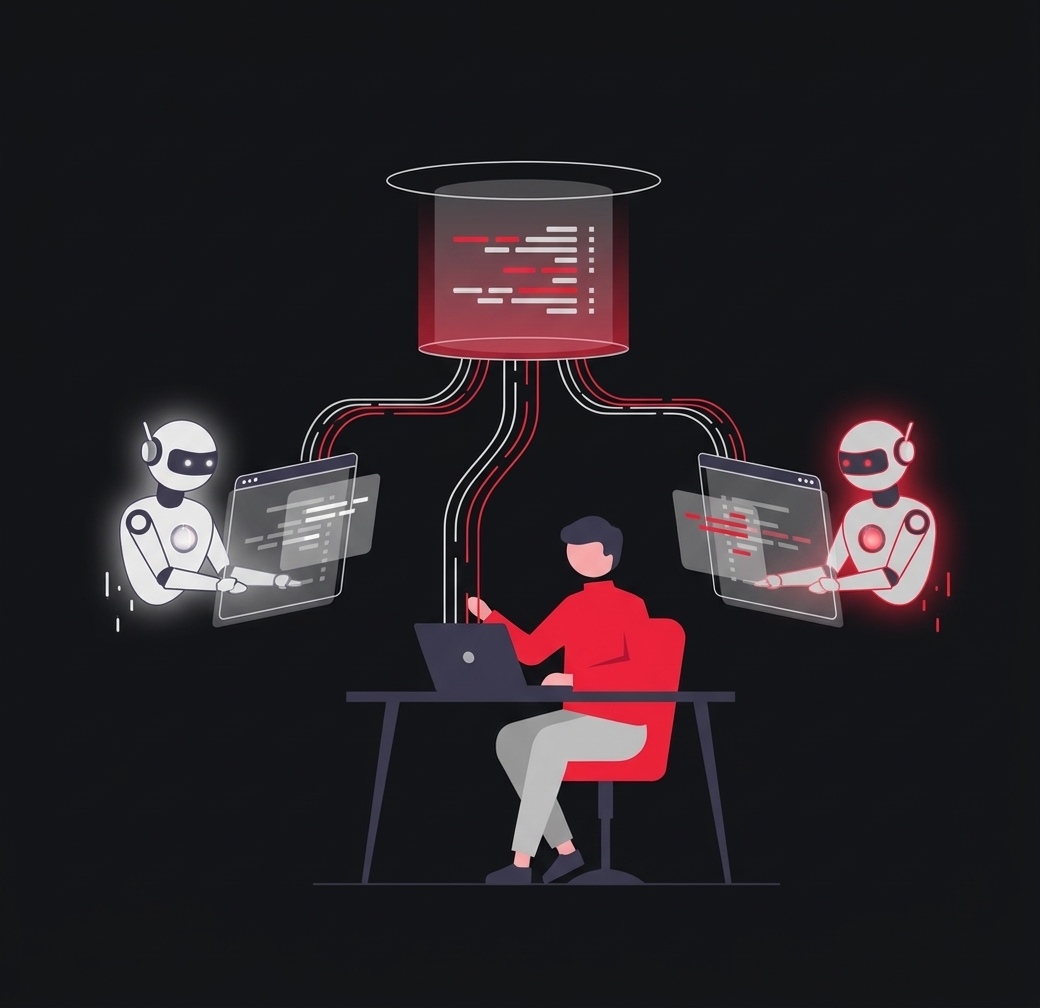
Imagine running several intelligent AI agents simultaneously instead of just one tool for code generation and problem-solving. This is precisely what is becoming a new trend among software engineers. With the advent of advanced tools that enable automated code creation, many professionals are discovering the benefits of running these agents in parallel for more efficient work.
Initially, there was considerable skepticism towards this approach. The main argument was that even if AI generates code at lightning speed, human oversight and review remain the ultimate bottleneck. How could running multiple agents help when even one is challenging to review? However, many developers gradually realized that certain types of tasks could be effectively assigned in parallel without adding excessive cognitive load to their primary work. Typical examples include tasks related to research, code maintenance, or partial, clearly defined sub-tasks.
For decades, software development has emphasized the "flow state"—deep concentration on a single problem without interruption. Interruptions disrupt this state, and it takes time to return to it. Many productive engineers therefore guard their time for focused work. Paradoxically, however, the most productive engineers, especially those in senior roles like tech leads, often excel at juggling several tasks simultaneously and efficiently switching contexts.
These experienced engineers may be natural candidates for successfully leveraging parallel AI agents. Their existing work habits involve holding several parallel workflows in their minds, reviewing code across different project areas, and managing constant interruptions. They are skilled at delegation, effective communication, and writing, which are crucial abilities for formulating tasks for agents and reviewing their outputs. This ability to manage and coordinate multiple threads of work can now extend to collaboration with digital assistants.
However, this workflow has not caught on with everyone. Some developers point out that there's a limit to how much the human mind can effectively check and review. The question remains whether parallel agents will genuinely increase overall productivity or merely create a perception of greater activity. Time will tell if this approach leads to more robust software or, conversely, to more errors and longer iterations that nullify any initial gains.

Haben Sie eine Idee für eine Website oder App?
Lassen Sie uns unverbindlich darüber sprechen – ohne Druck, mit einem konkreten nächsten Schritt.
For now, it seems crucial to adhere to fundamental engineering principles for effective collaboration with AI agents. Best practices include: Rigorous Testing: Always require unit tests, as generated code cannot be blindly relied upon. Small, Descriptive Tasks: Formulate tasks that are small, clearly defined, and supplemented with examples. Refactoring: Regularly assign the agent tasks to refactor code it wrote itself, such as extracting methods or moving them to new classes. Careful Review: Thoroughly check all of the agent's work. Minor Manual Adjustments: Make smaller changes manually to maintain developer awareness of the code. These principles are key because AI agents are inherently non-deterministic and somewhat unreliable. Their application significantly increases the reliability and usability of the entire process.