
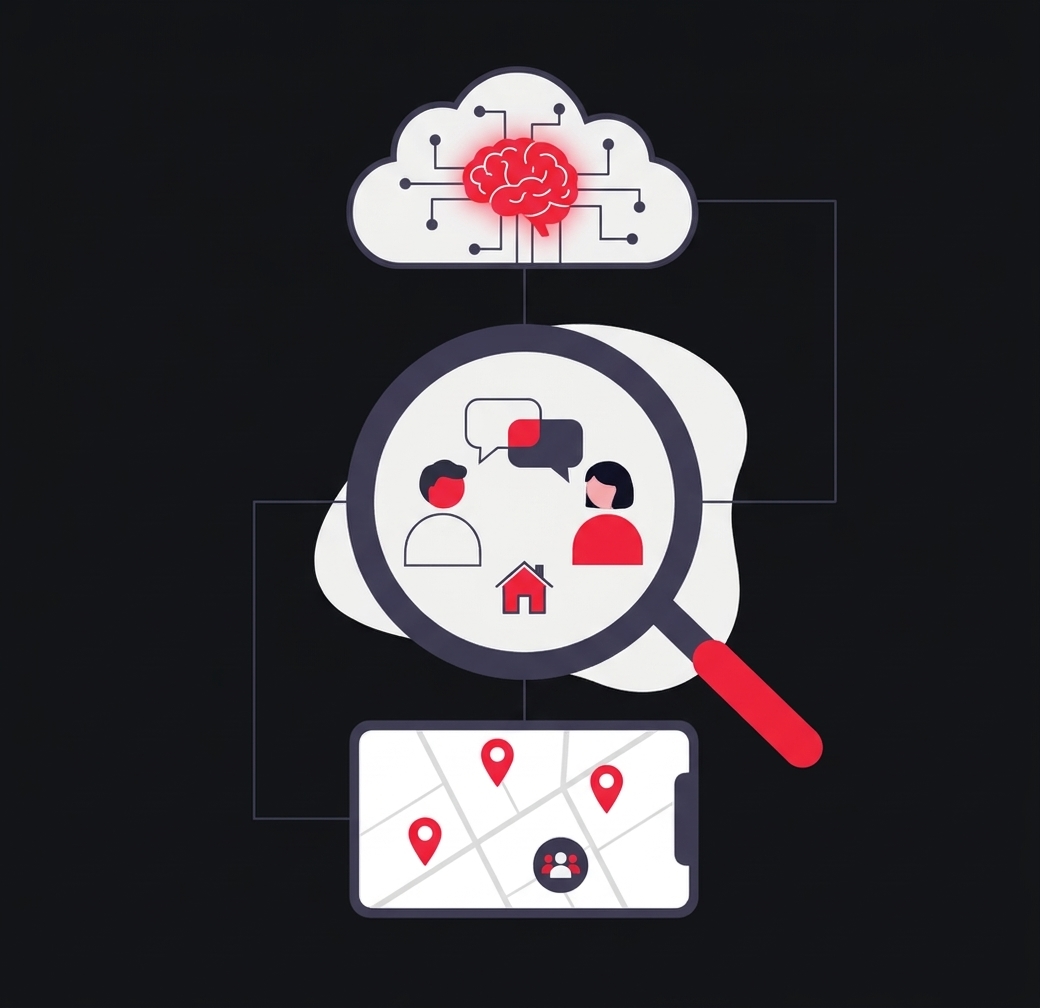
Airbnb is currently evolving in two key directions. On one hand, it seeks to compete with traditional hotel services by expanding its offering of on-site support services. On the other hand, it is intensely leveraging the potential of artificial intelligence and its user network to facilitate discovery and travel planning.
As part of the platform's recent update, services that were experimentally launched last year have been added or expanded within the application. These include, for example, food delivery, laundry services, baby equipment rental, ski or boat rentals in limited locations, and expanded grocery delivery options. The goal is to offer a more comprehensive experience that extends beyond accommodation itself.
The second major innovation is the implementation of AI-powered search. The company approaches the deployment of artificial intelligence features with caution, preferring to avoid a purely chatbot interface. The new search function for property discovery was hinted at previously and is now available to users.
Users can now activate search mode using text or voice queries. Once the search is initiated, the interface dynamically displays filters tailored to the user's preferences. For example, if a user enters the term "child" into the AI search engine, the platform automatically offers other relevant filters such as cribs, playgrounds, or children's books and toys. This intelligent contextualization significantly simplifies the search process.

Haben Sie eine Idee für eine Website oder App?
Lassen Sie uns unverbindlich darüber sprechen – ohne Druck, mit einem konkreten nächsten Schritt.
Artificial intelligence is also utilized to identify and highlight relevant characteristics of individual properties. Furthermore, it enables comparing properties from a wishlist through AI-generated summaries and reviews, which simplifies decision-making among multiple options.
Platform developers emphasize that while creating a basic AI search may not be technically complex, the real challenge lies in implementing it into an e-commerce environment with a vast volume of transactions without negatively impacting conversion rates. The goal is to optimize the user journey and ensure search efficiency even under high load.
The company is also intensely focused on strengthening social features that motivate users to travel more frequently and book additional experiences, such as food tastings or craft workshops. The ability to connect with other travelers and friends on the platform was introduced previously.
Now, travelers can use a map that displays the past or upcoming trips of their connections. By tapping on a specific trip, one can see where that person stayed and what experiences they sought out. For those who value privacy, the option not to share their trips with other users is, of course, available.
Additionally, Airbnb is creating detailed pages about individual neighborhoods and locations, drawing from guest reviews and other sources. These pages are designed to help travelers discover local restaurants, attractions, and activities, thereby enhancing their destination experience.